Understanding Errors and Omissions Insurance in Washington State: A Comprehensive Guide

Imagine waking up one morning to find that a simple mistake in your work has spiraled into a legal nightmare. That’s where errors and omissions insurance comes into play, especially if you’re located in Washington State. This crucial coverage acts as your safety net, providing professionals with the protection they need when their work doesn’t go as planned.
Whether you’re a real estate agent, consultant, or tech professional, understanding the ins and outs of errors and omissions insurance is vital. In this guide, we’re diving into everything you need to know about this insurance type in Washington State, unraveling its importance, coverage options, and key considerations.
Introduction to Errors and Omissions Insurance in Washington State
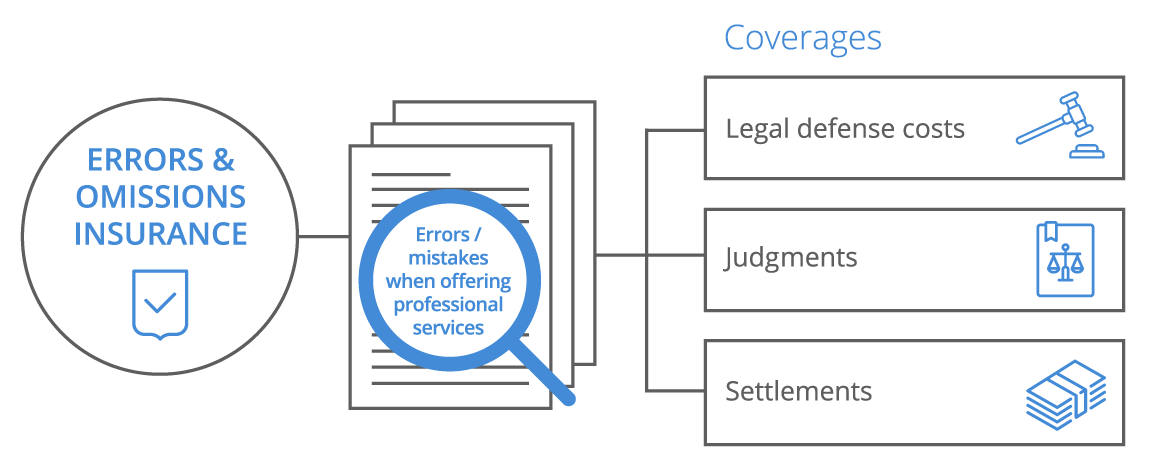
Did you know that a single lawsuit could potentially bankrupt your business? That’s where Errors and Omissions (E&O) Insurance comes into play. E&O Insurance is like a safety net for your professional reputation.
It covers you when clients claim that your services caused financial losses due to mistakes or negligence. In Washington State, having this insurance isn’t just a smart move—it’s required for many professions. But how exactly does this differ from other forms of liability insurance?
Washington State’s Specific Regulations and Requirements
Here’s the deal: Washington State has specific mandates for E&O insurance depending on your profession. For instance, real estate agents, insurance brokers, and even tech consultants often need to carry E&O insurance. Why? Because their advice or services could lead to significant financial repercussions for clients. The state wants to protect consumers and ensure they have recourse if something goes wrong.
Yet, not all E&O policies are created equal. Coverage amounts, exclusions, and premiums can vary wildly. This is why it’s crucial to understand the specifics in your field and region.
Common Professions Requiring E&O Insurance
Are you a consultant, a lawyer, or maybe an architect? If so, you likely need E&O insurance. These professions frequently deal with tasks where errors could lead to major client losses. Without this coverage, one lawsuit could wipe out your business income or savings.
In Washington, even industries like IT services and healthcare consultancy are increasingly opting for this coverage. They recognize the peace of mind that comes from knowing they’re protected against claims of negligence or error.
Differences Between E&O Insurance and Other Liability Insurance
Now, let’s clear up a common misconception: E&O insurance is not the same as general liability insurance. General liability covers you for physical injuries or property damage. E&O is more about professional mistakes. Imagine if a software bug you overlooked caused a client’s system to crash. General liability wouldn’t cover that, but E&O would.
Here’s a quick comparison:
| Type of Insurance | Covers |
|---|---|
| General Liability | Physical injuries, property damage |
| Errors and Omissions | Professional mistakes, negligence |
Pro Tip: Always read the fine print of your E&O policy to understand what is and isn’t covered.
Coverage and Benefits
Did you know that up to 25% of professionals will face a lawsuit at some point in their career? Whether you’re a real estate agent or a freelance consultant in Washington State, errors and omissions insurance is your shield against unexpected claims. Let’s dive into what this insurance covers and how it can save your career.
Errors and omissions insurance (E&O) is designed to protect professionals from claims of negligence or inadequate work. This means if a client believes you made a mistake or failed to deliver as promised, your E&O policy can cover legal fees, settlements, and damages. BUT not all policies are the same, and understanding the coverage options is crucial.
Typical Coverage Options
Most E&O policies include key protections such as legal defense costs, settlements, and court fees. They also often cover personal injury claims, such as slander or libel, and damages due to alleged errors or omissions in your work. Here’s the deal: having the right coverage can mean the difference between a minor setback and a career-ending lawsuit.
Benefits for Professionals
For professionals in Washington State, the benefits of E&O insurance are immense. It not only provides financial protection but also offers peace of mind. Knowing you have a safety net allows you to focus on what you do best without constantly worrying about mistakes. Pro Tip: Consider adding a cyber liability rider if you handle sensitive client data online.
Protection and Support Scenarios
Picture this: you’re a real estate agent and a client sues you for alleged misrepresentation of a property. Without E&O insurance, you could be on the hook for thousands in legal fees. With it, you’re covered. This insurance is also crucial for consultants who provide advice that could be misconstrued or cause financial loss. Here is the deal: E&O insurance is invaluable when the unexpected happens.
Real-World Claims and Outcomes
Let’s look at some real-world examples:
- A marketing consultant was sued for missing a project deadline, costing the client a significant contract. The E&O policy covered the $50,000 settlement.
- An architect faced a lawsuit for design flaws that led to construction delays. The insurance covered legal expenses and a $100,000 payout to the client.
Bottom line: E&O insurance in Washington State is not just an expense; it’s an investment in your professional future.
Key Considerations When Choosing a Policy
Choosing the right errors and omissions insurance policy can feel like a daunting task. But if you focus on the right factors, you can make a decision that’s both smart and cost-effective.
Here’s the deal: not all policies are created equal. You need to scrutinize every detail to ensure you’re getting the most bang for your buck.
Factors to Consider When Selecting an Insurance Provider
First things first, you want a provider with a strong track record in Washington State. Do they have positive reviews? How long have they been in business? These are crucial questions. Also, consider their customer service reputation. A provider who’s hard to reach when you have a claim isn’t going to help when you’re in a pinch.
Pro Tip: Always check if the provider specializes in your industry. This can make a significant difference in the quality of service you receive.
Methods for Comparing Policy Features and Pricing
Comparing policies isn’t just about the price tag. It’s about what you get for that price. Begin by listing the coverage limits and additional features each policy offers. Then, weigh these against the premium costs. Here’s a simple way to organize your findings:
| Provider | Coverage Limits | Premium Costs | Additional Features |
|---|---|---|---|
| Provider A | $1M | $800/year | Legal Defense Included |
| Provider B | $500K | $600/year | Monthly Payment Option |
| Provider C | $1M | $950/year | Risk Management Tools |
The Impact of Policy Exclusions and Limitations
Exclusions and limitations can be deal-breakers. They dictate what your policy won’t cover. Study these sections carefully. For example, some policies exclude certain types of claims or have sub-limits that could leave you partially exposed. If you don’t know what’s excluded, you could be in for a nasty surprise.
Legal Aspects and Compliance
Did you know that failing to carry Errors and Omissions (E&O) insurance can lead to major legal headaches? That’s right. In Washington State, there are specific legal mandates for professionals to have this coverage.
So, what are the legal obligations? Simply put, if you’re providing professional services, you’re expected to protect yourself—and your clients—by holding E&O insurance. The state has strict compliance requirements that you can’t afford to ignore.
Compliance Requirements and Penalties
Missing out on E&O insurance isn’t just risky business—it’s risky legal territory. Washington State imposes hefty penalties for professionals who neglect this requirement. We’re talking about fines, license suspensions, and even revocation in extreme cases.
Here’s the deal: you need to verify your policy terms every year to ensure you’re in line with state regulations. This not only keeps you compliant but also shields you from any legal snafus down the road.
State Regulations on Policy Terms
Washington State has laid down clear guidelines on what your E&O insurance policy should cover. For instance, it must include a minimum coverage amount that aligns with your industry standards. Premiums and deductibles can vary, but the coverage terms are non-negotiable.
Get familiar with these regulations to avoid unexpected pitfalls. Ignorance isn’t bliss when it comes to legal obligations!
Recent Legal Cases and Legislative Changes
Just last year, a landmark case in Washington highlighted the importance of having comprehensive E&O coverage. A local consulting firm faced a whopping fine due to a gap in their insurance policy.
Pro Tip: Always review recent legal changes that could affect your E&O insurance. Staying informed is your best defense against compliance issues.
Legislative changes can sneak up on you. New bills are constantly being passed that could impact the enforcement of E&O policies. Don’t get caught off guard; keep your ear to the ground for updates.
Claim Process and Management
:max_bytes(150000):strip_icc()/EO-Final-35aff6b5f50644aabd242e60da643e80.jpg "Understanding Errors and Omissions Insurance in Washington State - bad ...")
Ever wonder why some claims get approved while others hit roadblocks? The devil is in the details when it comes to managing your errors and omissions insurance claim in Washington State. Let’s break it down step by step.
The claim process is your roadmap to securing the coverage you deserve. BUT remember, it all starts with the right information at the right time. Here is the deal: knowing the steps and documentation needed can make or break your claim.
Steps to File a Claim
Filing a claim isn’t as complicated as launching a spaceship, but it’s close. First, notify your insurer as soon as a potential claim arises. This is crucial. Delays can be costly. Next, gather all relevant documents like contracts, emails, and any communication related to the claim. Step #3 is to fill out the claim form meticulously. Details matter. Finally, submit everything and wait for feedback.
Documentation and Information for a Successful Claim
Imagine walking into a meeting without your notes—disastrous, right? Filing a claim without the right documentation is no different. You’ll need copies of contracts, communications, and any previous interactions that relate to the issue. Don’t forget to include a detailed timeline of events. This paints a clear picture for your insurer. And here’s a Pro Tip: Keep a digital backup of everything to avoid mishaps.
Strategies for Effective Claim Management
Communication is your best tool for managing claims effectively. Regularly update your insurer on any new developments. Keep all interactions professional and documented. Have a dedicated contact person for all claim communications. This streamlines the process and ensures nothing falls through the cracks. Need to escalate? Do it politely but firmly.
Handling Disputes or Denied Claims
It’s frustrating when a claim gets denied. BUT don’t throw in the towel just yet. Start by reviewing the denial letter carefully. Understand the insurer’s reasons. The next step is to provide additional information or clarification if possible. Still no luck? Consider a formal appeal or involve a professional for mediation.
“Persistence is key in claim disputes—never give up after the first ‘no’.”
Let’s compare how different approaches stack up:
| Approach | Pros | Cons |
|---|---|---|
| Direct Negotiation | Quick resolution, cost-effective | May not always be successful |
| Mediation | Neutral party involved, less adversarial | Can be time-consuming |
| Legal Action | Legally binding outcome | Expensive, lengthy process |
Future Trends and Developments
Are you ready for the future of errors and omissions insurance? As the professional landscape in Washington State evolves, so too do the needs for this essential coverage. Let’s dive into the trends shaping the future.
With rapid advancements in technology and shifting business environments, errors and omissions insurance is experiencing significant changes. Professionals must stay ahead of emerging risks and adjust their coverage to protect against unforeseen challenges.
Emerging Trends in Insurance Coverage
Industries are rapidly transforming, and so is the demand for insurance coverage. For instance, the rise of remote work has increased exposure to cybersecurity threats, amplifying the need for robust protection against data breaches. In response, insurers are enhancing their offerings to cover these new vulnerabilities.
- Remote Work and Cybersecurity
- Growing Gig Economy
- Increased Regulatory Scrutiny
Changes in Coverage Needs
As professionals in Washington State adapt to new business models, their insurance needs shift. More professionals are exploring customized policies to address specific risks associated with their niche markets. This shift demands insurers to offer tailored solutions that cater to unique business requirements.
- Identify Unique Business Risks
- Consult with Specialized Brokers
- Opt for Tailored Insurance Solutions
Technological Advancements in Policy Management
Technology is revolutionizing how policies are managed and risks assessed. Insurers are leveraging AI and big data to provide more accurate risk assessments and streamline claim processes. This not only enhances efficiency but also delivers personalized service to policyholders.
Pro Tip: Embrace digital tools for quicker access to policy data and smarter decision-making.
Future Insurance Requirements: Scenario-Based Predictions
Imagine a future where real-time data analysis predicts potential claim scenarios before they occur. This is not science fiction — it’s the next frontier in insurance. By 2030, insurers may offer proactive risk management solutions using predictive analytics, minimizing potential losses and safeguarding businesses against emerging threats.
In conclusion, staying informed and adaptable is crucial for navigating the future landscape of errors and omissions insurance in Washington State. By anticipating changes and embracing new technologies, you’re not just protecting your business today, but future-proofing it for tomorrow.
Conclusion
In the fast-paced professional world of Washington State, errors and omissions insurance isn’t just a safety net; it’s a strategic investment in your peace of mind. As we’ve explored, understanding your coverage choices and legal requirements can make all the difference when facing the unexpected. So, arm yourself with knowledge, choose wisely, and rest easy knowing you’re protected against life’s unforeseen mishaps.
Common Queries
What is errors and omissions insurance?
Errors and omissions insurance is a type of professional liability insurance that protects businesses and professionals against claims of inadequate work or negligent actions.
Why is errors and omissions insurance important in Washington State?
It is crucial in Washington State because it safeguards professionals from financial loss due to lawsuits related to their services, which is especially important given the specific state regulations and requirements.
Which professions typically require errors and omissions insurance?
Professions such as real estate agents, consultants, accountants, and tech professionals commonly require this insurance in Washington State.
How does errors and omissions insurance differ from general liability insurance?
While general liability insurance covers bodily injury and property damage, errors and omissions insurance specifically covers professional negligence and failure to perform professional duties.
What should I consider when choosing an errors and omissions insurance policy?
Key considerations include the insurance provider’s reputation, coverage limits, premium costs, policy exclusions, and additional features that fit your professional needs in Washington State.