When you’re running a small business, every decision counts—and choosing the right insurance is no exception. Navigating the maze of small business insurance can feel like a daunting task, but it’s a crucial step in safeguarding your venture. Whether you’re just starting out or looking to optimize your current policies, understanding the types of insurance available is key to ensuring your business is protected from unforeseen risks.
Imagine having a safety net that not only covers potential damages but also provides peace of mind. In this guide, we’ll dive into the essentials of small business insurance, dissecting the various options like property insurance, liability insurance, and workers’ compensation. Let’s unravel the complexities and empower you to make informed decisions that bolster your business’s resilience.
Types of Small Business Insurance

Did you know that 40% of small businesses will file an insurance claim within the next decade? Here is the deal: having the right insurance coverage could be the difference between staying afloat and going under.
Small business insurance comes in many flavors. But understanding the nuances can save you a mountain of trouble. Let’s break down the major types: property insurance, liability insurance, and workers’ compensation.
Property Insurance
Property insurance is all about protecting your physical assets. Be it a storm, fire, or theft, this type of insurance ensures your business can bounce back. Imagine your office gets flooded. Without property insurance, you’re footing the bill for everything from water damage repairs to replacing equipment!
Liability Insurance
Now, let’s talk about liability insurance. This is your shield against lawsuits. Someone gets injured on your premises or claims your product caused harm? Liability insurance has your back. But here’s the kicker: if you don’t have it, one lawsuit could wipe out your entire business.
Workers’ Compensation
Workers’ compensation is not just a legal requirement in many places; it’s smart business. It covers medical costs and lost wages for employees hurt on the job. Imagine an employee injures themselves lifting heavy boxes. With workers’ comp, their medical bills and a portion of their wages are taken care of, keeping everyone happy and your business running smoothly.
Let’s compare these coverage options:
| Insurance Type | Covers | Benefits |
|---|---|---|
| Property Insurance | Physical assets like buildings and equipment | Recovers losses from damage or theft |
| Liability Insurance | Lawsuits and claims against your business | Protects against costly legal battles |
| Workers’ Compensation | Employee injuries and illnesses | Covers medical bills and lost wages |
Pro Tip: Always review your coverage annually. As your business grows, your insurance needs will change.
Importance of Business Insurance
Did you know that 40% of small businesses never reopen after a disaster? That’s a scary thought. But it highlights how crucial business insurance is for survival.
Small businesses face risks every day. From natural disasters to liability claims, the list is endless. Business insurance acts as a safety net, protecting your company from financial ruin.
Shielding Your Business from Unforeseen Risks
Imagine a fire breaking out in your store overnight. Without insurance, you’re left with the full cost of repairs and lost inventory. With insurance, those costs are covered, allowing you to get back on your feet quickly. Insurance can also protect against other unforeseen events like theft or a lawsuit. Basically, it’s peace of mind in a policy.
Real-World Examples of Insurance in Action
Take Joe’s Coffee Shop on Main Street. Last year, a customer slipped and fell inside the shop. Thanks to his liability insurance, Joe avoided a hefty lawsuit payout. Or look at Sally’s Boutique, which lost everything to a flood. Her insurance payout helped her rebuild and reopen in record time. These examples show how insurance is a lifeline when disaster strikes.
Financial Impact of Skipping Insurance
Skipping insurance might save money today, but the potential costs are staggering. A single incident can lead to bankruptcy without coverage. The average claim for water damage alone is $17,000. Imagine footing that bill with no help. Pro Tip:
“Invest in insurance now, or pay dearly later.”
The financial safety net it provides is not just nice to have; it’s essential.
Selecting the Right Insurance Policy
Choosing an insurance policy for your small business can feel like navigating a maze. With so many options out there, how do you know which one truly fits your needs?
Here’s the deal: Not all insurance policies are created equal. You need to factor in your specific business risks, budget constraints, and industry requirements before making a decision. This isn’t just about ticking a box; it’s about safeguarding your business’s future.
Key Factors to Consider
When selecting a policy, you want to consider the scope of coverage. Does it address all potential risks unique to your business? Next, evaluate the cost-to-benefit ratio. It’s crucial that the premiums you pay align with the coverage you receive. Don’t forget about the reputation of the insurance provider. A provider with a solid track record gives you peace of mind that claims will be handled efficiently.
Steps to Evaluate Insurance Providers
Start by making a list of potential providers. Research each one’s financial stability and read through customer reviews. Step #1: Narrow down your list by comparing quotes from each provider. Step #2: Schedule meetings or calls to ask direct questions about policy specifics. Step #3: Finally, consider any extra perks or add-ons they offer, like legal advice or risk management resources.
Pro Tip: Always ask for a sample policy document. This helps you understand the fine print before committing.
Let’s now look at a handy checklist to streamline your decision-making process.
| Policy Features | Costs | Coverage Limits | Provider Reputation |
|---|---|---|---|
| General Liability | $$$ | Up to $1M | 4.5/5 |
| Professional Liability | $$ | Up to $500K | 4.7/5 |
| Commercial Property | $$$$ | Up to $2M | 4.8/5 |
Cost of Small Business Insurance
Ever wondered how much you should be paying for small business insurance? The truth is, many business owners are overpaying, and they don’t even know it.
Understanding the average cost of small business insurance can save you a significant amount of money annually. But it’s not just about the numbers. It’s about knowing where your money is going and ensuring you get the most bang for your buck.
Average Costs Across Industries
The cost of small business insurance can vary wildly depending on your industry. For instance, a tech startup and a construction company might both have the same revenue, but their insurance costs could differ by thousands of dollars. Why? Because the risk levels and coverage needs are completely different.
| Industry | Average Annual Cost |
|---|---|
| Tech Startups | $500 – $1,500 |
| Construction | $1,500 – $3,500 |
| Retail | $1,000 – $2,000 |
Reducing Costs Without Compromising Coverage
Believe it or not, you can lower your insurance costs without sacrificing coverage. Here’s how:
- Shop around and compare quotes from multiple insurers.
- Bundle different types of insurance policies.
- Increase your deductible to lower premium costs.
- Implement risk management strategies to minimize claims.
Pro Tip: Always review your insurance policy annually. Needs change, and so should your coverage.
By taking these steps, you can ensure you’re not only covered but also getting the best possible rates. Remember, every dollar saved on insurance is a dollar you can reinvest in your business.
Legal Requirements for Small Business Insurance
Did you know that skipping mandatory insurance for your small business could cost you more than just a fine? Legal compliance in business insurance is not just a formality—it’s a financial safeguard.
Here’s the deal: Legal insurance requirements vary dramatically depending on your industry and location. It’s crucial to understand what coverage is legally required to avoid penalties and potentially crippling financial liabilities.
State-Specific Insurance Requirements for Small Businesses
Before you jump into any business venture, you need to know what insurance is legally mandated in your state. Different states have different rules, and non-compliance can lead to severe repercussions. Here’s a quick guide:
- California: Workers’ Compensation Insurance is mandatory for businesses with one or more employees.
- Texas: While Workers’ Compensation is optional, having it exempts businesses from most employee injury lawsuits.
- New York: General Liability Insurance is required for construction businesses, ensuring coverage against third-party bodily injury and property damage.
- Florida: If you employ four or more people, Workers’ Compensation is a must.
- Illinois: Auto Insurance is required if your business uses vehicles, with specific liability limits.
Pro Tip: Always double-check your industry’s specific requirements—some sectors have additional insurance mandates!
Understanding these necessities isn’t just about ticking boxes. It’s about protecting your business from potentially devastating legal actions that can arise from accidents or errors.
Benefits of Customizing Insurance Plans
Did you know that a staggering 40% of small businesses are under-insured? That’s a massive risk. But here’s the kicker: customizing your insurance plan can save your business from unexpected pitfalls.
By tailoring insurance to fit specific needs, you ensure that you’re not overpaying for coverage you don’t need. And you’re not leaving your business exposed to potential threats. It’s all about finding that perfect balance.
Advantages of Tailoring Insurance Plans
Customizing insurance is like crafting a suit. You want it to fit just right. When your insurance fits your business like a glove, you avoid unnecessary costs. PLUS, you get coverage that directly addresses your unique risks.
For instance, a small tech startup might focus on cyber liability insurance while a bakery would need more comprehensive property coverage. Each business has its own fingerprint, and your insurance should reflect that.
Real-World Examples of Customized Insurance Success
Take the example of a local coffee shop that customized their insurance plan to include coverage for outdoor furniture and equipment. When a storm hit, they were covered for damages that a generic plan would have missed.
Another example is an online retailer that opted for an enhanced cyber liability policy. When a data breach occurred, they had the resources to recover quickly without devastating financial loss. Tailored plans can be a lifesaver.
How to Organize an Insurance Customization Plan
Here is the deal: organizing a plan isn’t rocket science, but it does require some strategy. Let’s break it down step-by-step.
- Assess Your Risks: Identify the unique risks within your business. Think about your industry, location, and operational specifics.
- Consult an Expert: Work with an insurance agent who understands your niche. They’ll help pinpoint coverage needs that you might overlook.
- Prioritize Coverage: Not all insurance needs to be top-tier. Decide on high-impact areas to focus your resources on.
- Review Annually: Business evolves, and so should your insurance. Regular reviews ensure your plan grows with you.
Pro Tip: “Insurance isn’t just a purchase; it’s an investment in your peace of mind.”
Closure
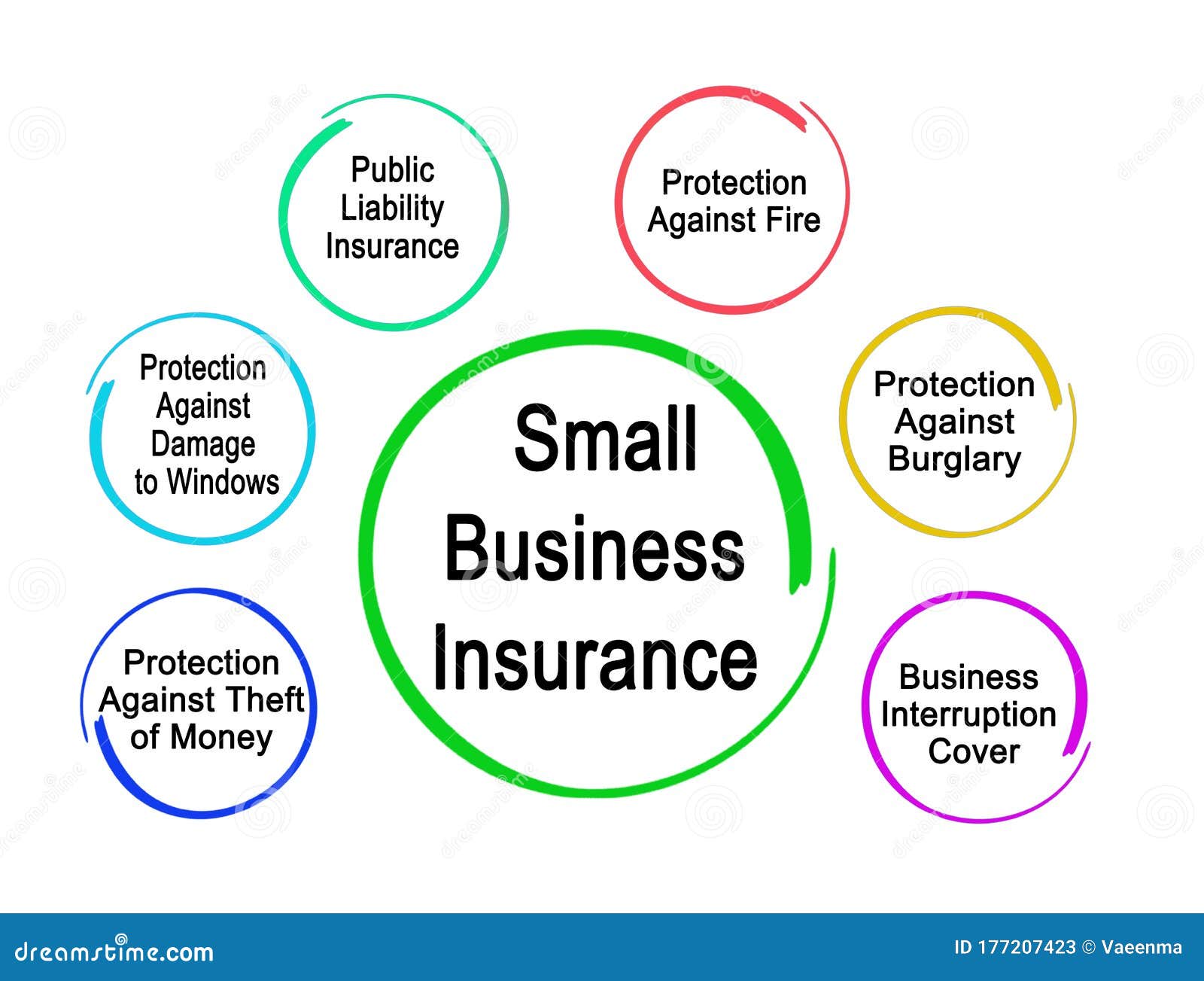
Wrapping up, securing the right insurance for your small business is more than a smart move—it’s a necessity. By tailoring your insurance plans to meet your specific needs, you can protect your assets, your employees, and the future of your business. Whether you’re comparing costs, coverage, or compliance, the right policy can be a game-changer. Take the steps today to ensure you’re not just surviving, but thriving in the business world.
FAQ
What are the essential types of insurance for small businesses?
The essential types of insurance include property insurance, liability insurance, and workers’ compensation.
Why is business insurance important?
Business insurance is crucial because it protects your company from financial losses due to unexpected events like lawsuits, property damage, or employee injuries.
How do I choose the right insurance policy for my small business?
Consider factors such as the nature of your business, potential risks, coverage limits, and the reputation of insurance providers.
What are the costs associated with small business insurance?
Costs vary based on industry, coverage level, and business size, but understanding these variations helps in budgeting and policy selection.
Are there legal requirements for small business insurance?
Yes, legal requirements vary by state and industry, and non-compliance can result in penalties or fines.
